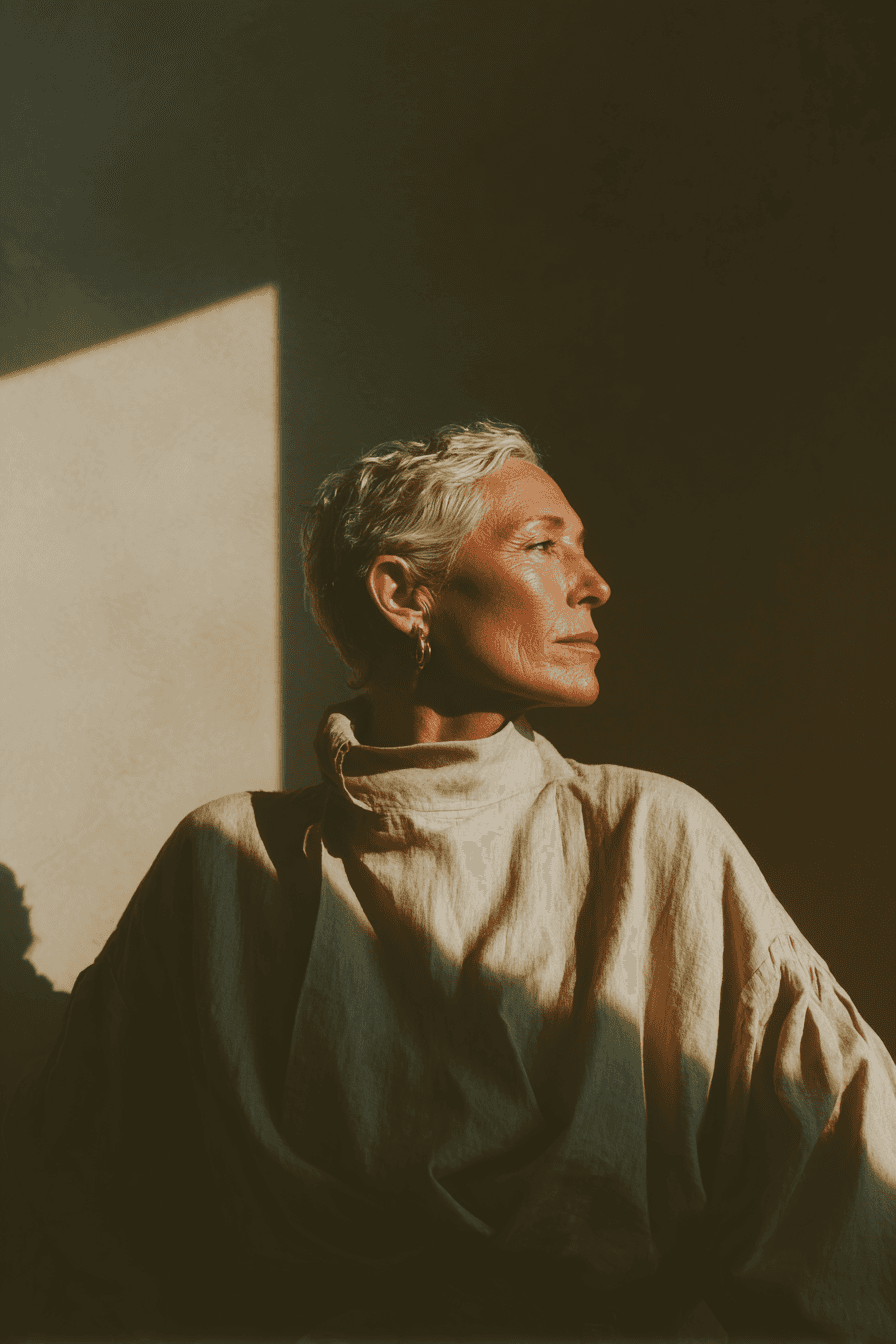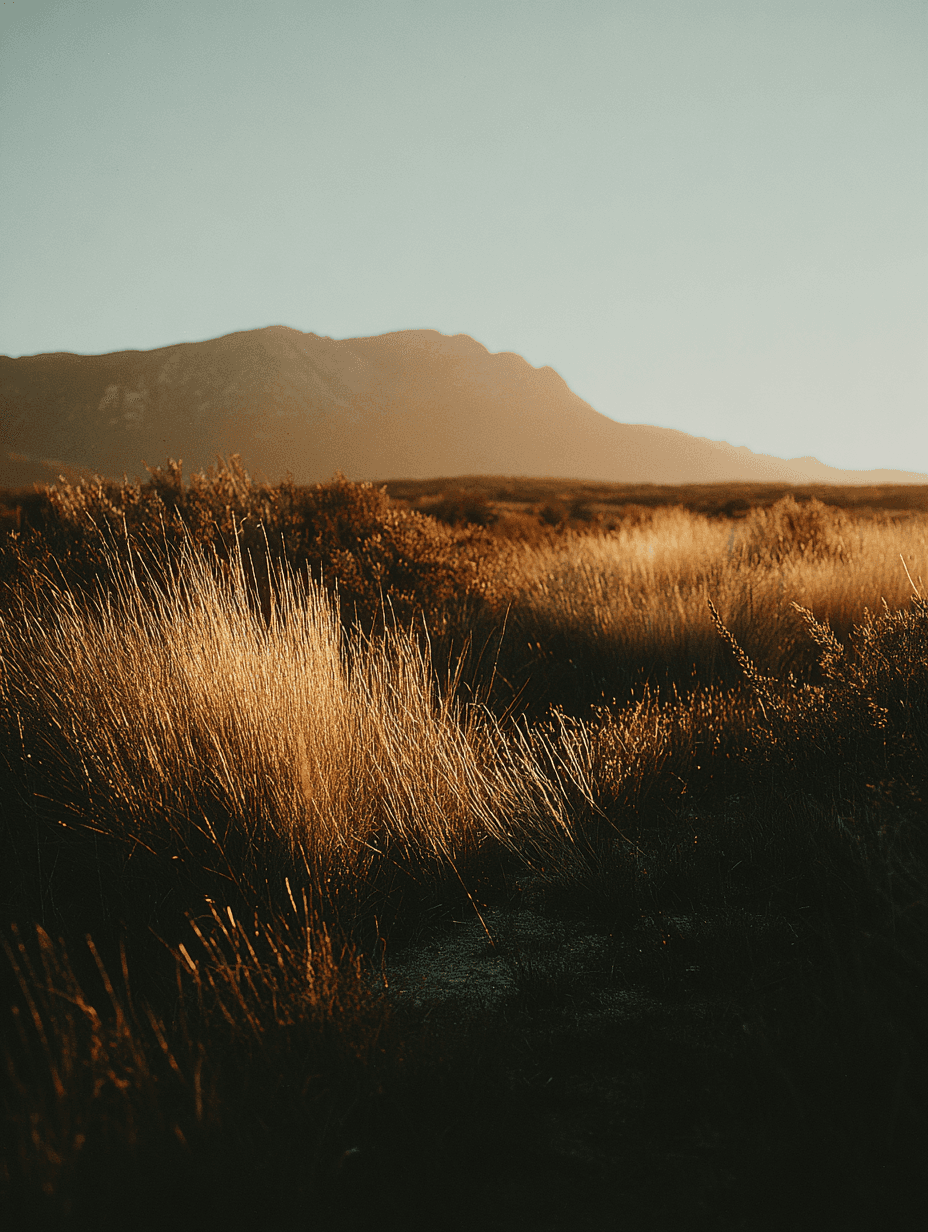

Or maybe it had always been this way — just wide enough for one car to pass, with tree limbs so heavy they nearly met overhead, like the forest itself was trying to close in behind her.
The air here was thicker than she remembered. Maybe it was the silence. The kind that presses in around your ears until even your own breathing feels like an intrusion.
She parked at the end of the gravel drive, the tires crackling over loose stone. The house came into view slowly, like it was deciding whether or not to reveal itself. Same peeling paint. Same warped porch swing, tilted like a crooked smile. Someone — maybe the sheriff’s office — had nailed a board over the front door. She ignored it and went around the side.
The key was still under the broken terra-cotta pot. That felt like a betrayal, somehow.
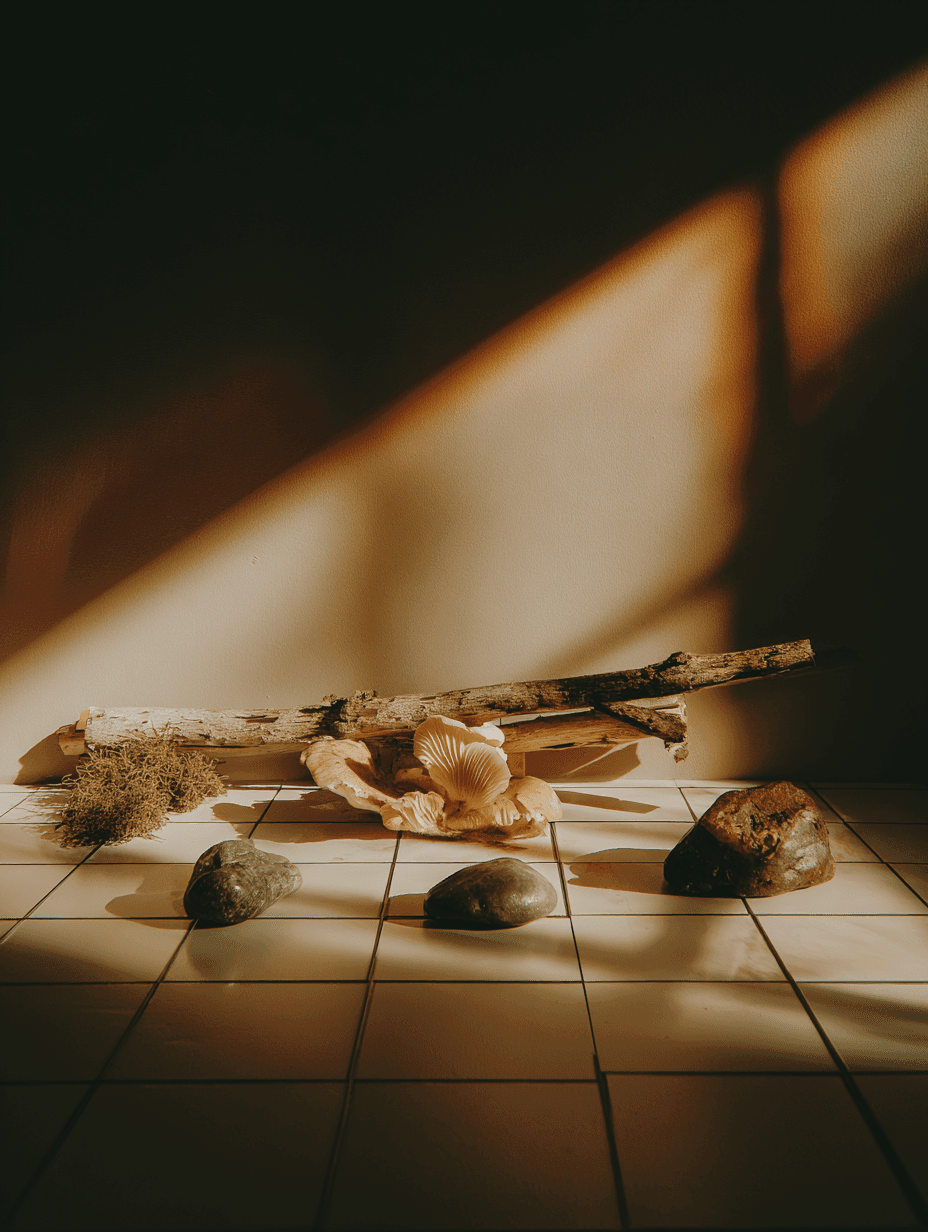
Inside, everything smelled like old paper and pine. Dust motes drifted in the angled light like tiny ghosts. Lark’s coat still hung on the hook near the door, sun-bleached and hollow. Maeve didn’t touch it.
Instead, she walked through the rooms as if in a museum of her own childhood: the bookshelf she built with her father before he left, the kitchen window with the spiderweb cracks that made the light bend strangely, the hallway where Lark once taped up constellations drawn in crayon and labeled not real, but could be.
Maeve stopped in front of their mother’s bedroom door. The handle was cold. She didn’t open it.